Request a sample

Products › Moringa

moringa

Moringa

Coast and east of Kenya

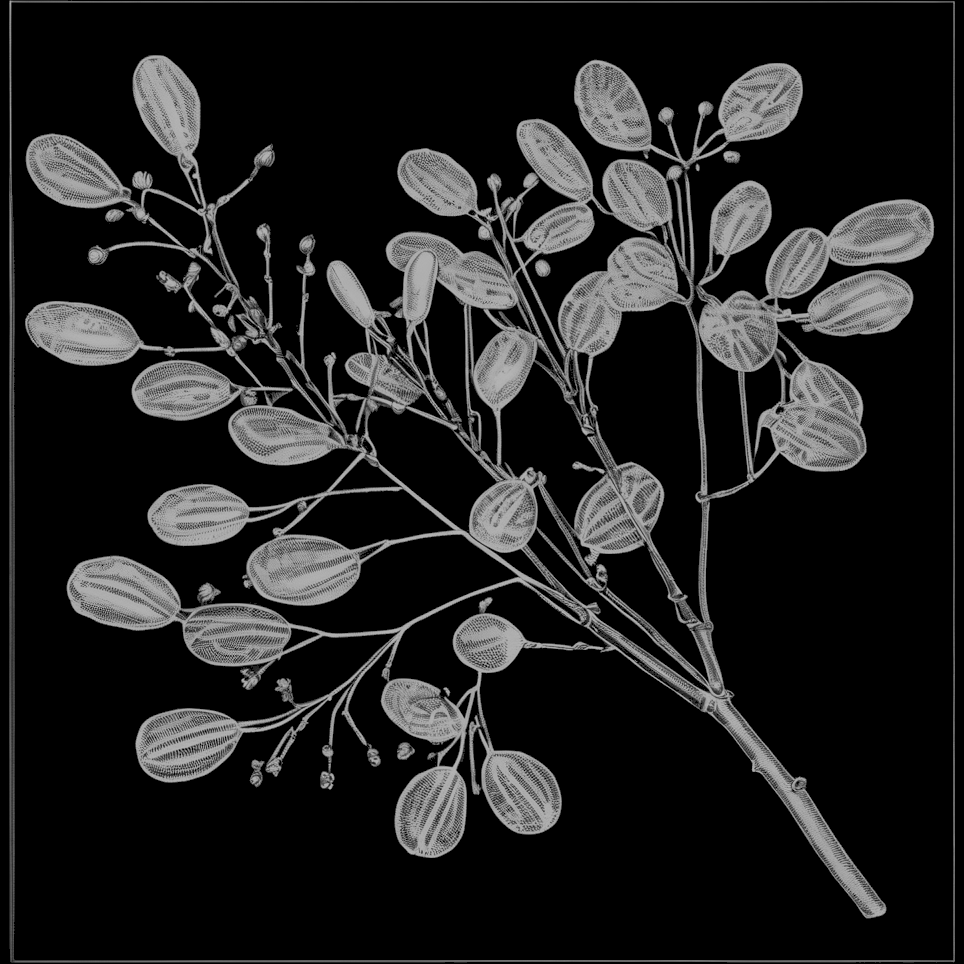
Moringa oleifera leaf powder. Moringa likes dry heat: it thrives where few crops hold, on the coast and in the east of Kenya. Leaves dried, then milled and sieved — a deep green powder with a clean vegetal taste.

Origin and supply chain

Moringa is the most demanding product in our range: a dried, uncooked leaf, often eaten as is. We choose our drying partner first on drying hygiene and on its ability to hold a microbiological panel — ahead of price.

Bulk leaves Kenya already milled and sieved by the partner. The retail format is packed in France — "conditionné en France, origine Kenya".

Name
Moringa leaf powder (Moringa oleifera) — origin Kenya
Ingredient
Dried and milled Moringa oleifera leaves — 100%. No additives, anti-caking agents or carriers.
Origin
Coast and east of Kenya — region stated on the lot record
Process
Hand harvesting, stripping, washing, drying, milling, sieving
Status
Conventional product, not certified.

Formats and packaging

FormatForPackaging
Bulk 5 to 10 kgBrands, co-packers, herbalists, e-commerceSealed foil barrier bag in a carton — also offered white-label
200 g pouchFine grocers, herbalists, shopsOpaque resealable barrier pouch — packed in France

Palletisation and white-label terms: supplied with the product data sheet.

Uses by trade

Technical specification

Every parameter is guaranteed per lot. Figures appear on the product data sheet and on each lot’s certificate of analysis — we publish no number before analysis.

ParameterWhat we guarantee
Physical and appearance
Fineness (mesh)Sieved powder — mesh: specification supplied with the product data sheet
MoistureGuaranteed per lot — value stated on the certificate of analysis
ColourDeep green, no yellow or brown shift — checked per lot against a visual reference
Odour and tasteVegetal, herbaceous, slight bitterness; no hay, musty or burnt notes
Stems, sand, acid-insoluble ashTolerances: specification supplied with the product data sheet
Microbiology
PanelTotal aerobic mesophilic count, yeasts and moulds, Enterobacteriaceae, E. coli, Salmonella, Bacillus cereus, Staphylococcus aureus — results on the lot certificate of analysis
Contaminants
MycotoxinsAflatoxins (B1 and total), ochratoxin A — specification supplied with the product data sheet
Heavy metals (Pb, Cd, Hg, As)Reference: Reg. (EU) 2023/915 — control plan supplied with the product data sheet
Pesticide residuesReference: Reg. (EC) 396/2005 — control plan supplied with the product data sheet
Allergens
CompositionNo Annex II allergen (Reg. (EU) 1169/2011) in the product

Claims: what we don’t write

We make no nutrition or health claim about moringa. Claims on botanicals fall under Regulation (EC) 1924/2006, and a number of them are still pending evaluation.

What we document: origin, drying, fineness, colour, moisture, analytical panel and lot number. That is what separates a specialty moringa from a commodity one — and it can be checked.

Documents supplied per lot

  1. Lot recordPartner, region, harvest and drying dates, lot number.
  2. Lot certificate of analysis (COA)Third-party laboratory, one certificate per lot — samples included.
  3. Proof of originEU–Kenya Economic Partnership Agreement: nil import duty.
  4. Product data sheetSpecification, formats, palletisation, storage.
  5. Process sheetDrying, milling, sieving — on request.

Storage

Conditions
Dry, away from light; reseal the pack straight after use.
Sensitivity
Light-sensitive product: colour and aroma fade under light and heat. Do not display in a transparent pouch under shop lighting.
Best before
Stated on the label and on the lot record.